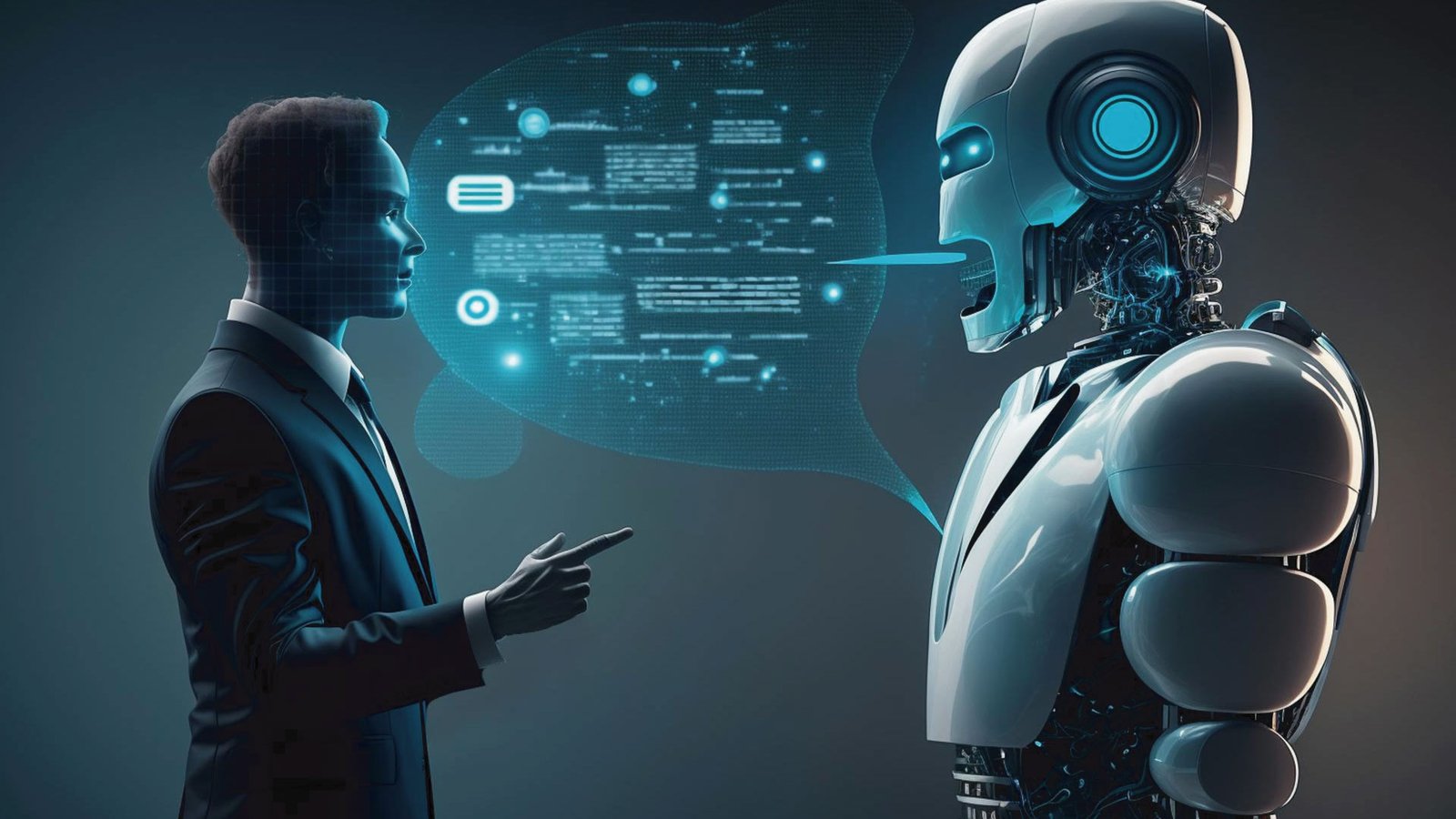
AI Agents are revolutionizing the SOC: LLM-driven security analysts automate threat detection, response, and risk management 24×7.
Cybersecurity has undergone a rapid shift as threats grow more frequent and complex. Traditional approaches of securing digital assets cannot keep up with evolving modern threats. There is a critical need for smarter and stronger security solutions.
New approaches are emerging for cybersecurity, where AI-driven Security Operations Centers (SOCs) are based on large language models (LLMs) that can revolutionize the discovery, evaluation and response to today’s threats. AI Agents are changing the cybersecurity landscape, how organizations operate their security, and how businesses can gain a competitive edge.
The Rise of AI-Driven Security Analysts
Cybersecurity relies on security analysts to recognize, analyze, and respond to security threats. However, SOC analysts suffer from growing challenges including increasing threat volumes, the burden of manual tasks, and a shortage of skilled professionals. AI Agents, driven by advanced machine learning, are emerging to support these efforts.
Unlike their human counterparts, AI Agents work 24×7 processing large volumes of data instantly. They can detect threats faster, reduce downtime, and decrease human errors caused by manual efforts and exhaustion. This includes quickly identifying unusual patterns in network traffic to alert teams before a security breach can happen.
By handling repetitive tasks, AI Agents enable human analysts to focus on strategic tasks and the most critical threats, enhancing efficiency and making a more proactive security environment. In the past year, AI Agents have proven successful in many areas of security operations, including detection and response (SOC), Application Security, Vulnerability Management, as well as Governance, Risk, and Compliance (GRC).
SOC Evolution from Manual to Automated
A SOC is arguably the most critical part of security team. It handles suspected breaches, which means stakes are high and time is scarce. Yet, traditionally these centers have relied heavily on human analysts to monitor systems, review logs, and handle security incidents. In today’s world traditional SOCs face several challenges, including time-consuming, manual processes that slow down responses; the high cost of maintaining experienced staff; and difficulty in scaling to address increasingly frequent and complex threats.
As cyber threats evolve, the limitations of the traditional SOC structure have become clear. Manual approaches can no longer keep up with the sophistication and speed of modern attacks. With automation available, businesses can speed threats detection, comply with regulatory requirements more easily, and reduce operational costs.
AI Agents are a perfect solution to this critical problem in the SOC. They bring the power of artificial intelligence and automation to SOCs, providing faster, more efficient AI-driven threat management than before, while at the same time remaining agile.
SOC AI Agents Fitting into Modern Security Frameworks
With the help of AI and automation, today’s SOCs can automatically take care of routine tasks, giving security teams more time for important work like threat hunting. These advanced systems enhance modern security frameworks in a number of ways, including:
Real-Time Threat Detection – SOC AI Agents act as digital watchdogs, analyzing all incoming data and looking for any signs of an attack. If a hacker wants to access the network or when a piece of malware is detected, AI can respond in seconds. With human teams often overwhelmed by alerts, this capability delivered by AI is vital for staying ahead of potential threats.
Automating Response – AI SOC Agents can determine the steps to take to contain a given threat and execute on them. Since they run at machine speed, the response is much faster than what human analysts can possibly do. Faster response time means a smaller window of opportunity for attackers, and therefore better security.
Managing and Reducing Risk – Risk management is key in any security system, and AI excels at it. These agents analyze huge amounts of data to identify weaknesses or gaps that hackers might exploit. Once a risk is spotted, AI takes action to prioritize it and recommend the best steps for remediation, helping prevent future damage.
Sorting and Prioritizing Incidents – Cybersecurity incidents require different levels of attention. For example, a system freeze due to an attack is far more critical than a minor vulnerability that doesn’t directly affect operations. AI agents use their learning abilities to categorize threats by importance, enabling security teams to respond to the most critical issues first, avoiding delays in resolving major attacks.
Always-On Surveillance – Unlike humans, SOC AI Agents don’t need rest. They offer 24×7 surveillance, monitoring systems and network activity non-stop. This ensures that no matter when an attack happens—during peak hours or in the middle of the night—there is always an AI agent working and ready to respond instantly.
Forecasting Future Threats – The ability to predict potential threats before they strike is one of the most powerful features of SOC AI Agents. These agents learn from past data and current trends to find new attack patterns early. By anticipating threats, organizations can reinforce their defenses, reducing the likelihood of successful attacks.
By integrating into security frameworks, these AI tools allow companies to stay competitive in a changing market.
The Need for AI-Augmented SOCs
AI-powered SOCs are changing cybersecurity for organizations. They provide many benefits, including:
Faster Threat Response – AI reacts quickly to cyber threats, ensuring that attacks are stopped before they get worse, which helps businesses reduce operational disruption.
Effortless Compliance – Compliance is critical, and AI SOCs automate much of the compliance process so organizations don’t violate important regulations and can avoid penalties.
Risk Prevention – AI agents forecast potential threats and address vulnerabilities in advance with their predictive capabilities, reducing the likelihood of a breach.
Lower Costs – By automating many of the routine tasks involved in maintaining security, AI systems allow organizations to operate with smaller teams and reduce overhead costs.
Adaptable to Growth – AI-driven SOCs scale as your business grows. This flexibility allows organizations to expand without worrying about outgrowing their security systems.
When a cyberattack occurs, SOC agents accelerate incident response, detecting threats instantly and resolving them faster to minimize downtime. These agents are also built to grow with your business, adapting seamlessly to evolving needs, whether you’re managing a small startup or a large enterprise.
The Future of Cybersecurity Is AI-Driven
As 2025 rolls on, SOC AI Agents are transforming how organizations protect themselves, enabling quick, smarter, and more cost-effective defenses. From real-time threat detection to compliance automation and predictive risk management, AI agents are crucial in modern SOCs. They empower businesses to build robust, scalable security frameworks.
The question is no longer if AI should be part of your cybersecurity strategy—it’s when. And for forward-looking organizations, the answer is clear: The time is now.
Explore AITechPark for the latest advancements in AI, IOT, Cybersecurity, AITech News, and insightful updates from industry experts!